








IIT Madras
IIT Madras
IIT Hyderabad
IIT Hyderabad
IIT Bombay
IIT Bombay
IIT Indore
IIT Indore
IIT Gandhinagar
IIT Gandhinagar
IIT Guwahati
IIT Guwahati
IIT Ropar
IIT Ropar
IIT Jodhpur
IIT Jodhpur
IIT Kanpur
IIT Kanpur
IIT Kharagpur
IIT Kharagpur
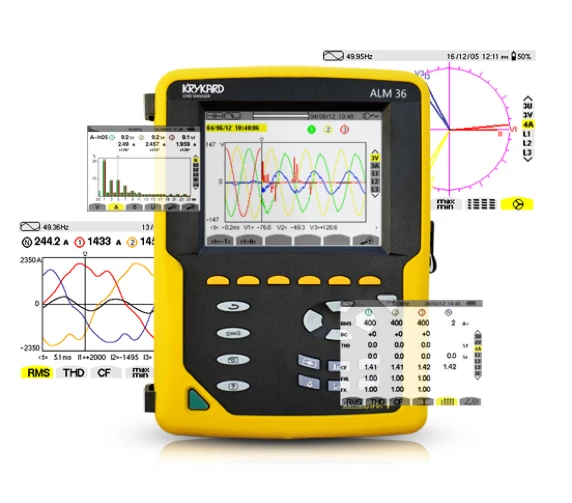
Power Quality Analyzer

Power Quality Analyzer

Used to measure the flow of power in an electrical system and monitor key electrical parameters such as voltage, current, frequency, power factor, harmonics, and total harmonic distortion.

Advantages:

  • Identifying Energy Losses: Detects inefficiencies such as poor power factor, unbalanced loads, harmonics, leading to reduced energy consumption and lower operational costs.
  • Evaluating Harmonics: Helps identify harmonics, which can cause equipment overheating, malfunctions, and increased energy consumption.
  • Preventing Equipment Damage: Aids in preventing damage to sensitive electrical equipment affected by voltage spikes or transients.
Power Quality Analyzer

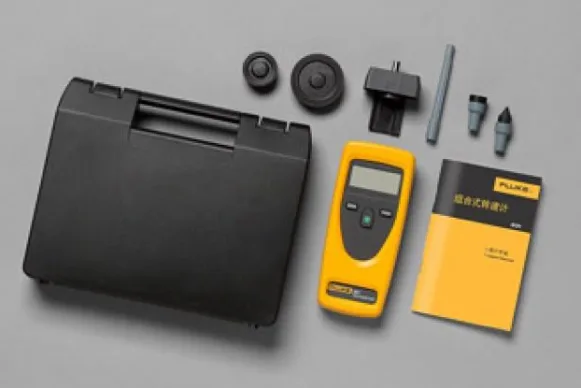
Tachometer

Used to measure the rotational speed of shafts or disks in motors, engines, or rotating machinery.

Advantages:

  • Equipment Maintenance: Provides essential data on machinery performance, helping to identify wear, inefficiencies, or irregularities in motors and pumps.
  • Energy Efficiency: Helps ensure that motors run at optimal speeds, reducing energy use and extending equipment lifespan.
Power Quality Analyzer

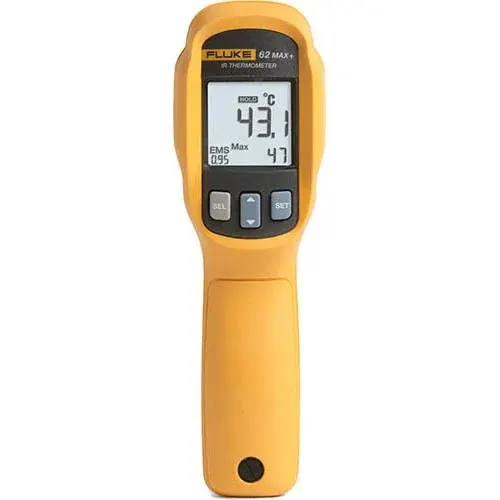
Infrared Laser Thermometer

Used for measuring high temperatures, relying on infrared radiation emitted by an object.

Advantages:

  • High-Temperature Measurement: Accurately measures extremely high temperatures, beyond the range of standard thermometers.
  • Non-contact: Ideal for environments where direct contact with the object is unsafe or impractical.
  • Efficiency: Facilitates monitoring and controlling high-temperature processes, improving operational efficiency.
Power Quality Analyzer

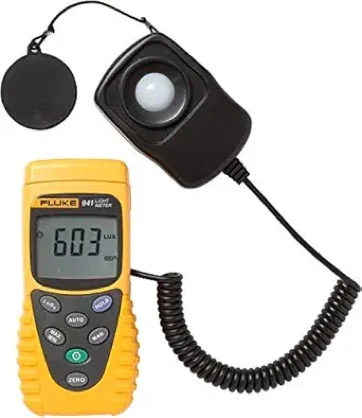
Lux Meter

Used to measure the amount of light falling on a surface, known as illuminance, which is essential for ensuring adequate lighting in spaces such as offices, factories, warehouses, and public areas.

Advantages:

  • Accurate Lighting Assessment: Provides precise measurements of current lighting levels, ensuring optimal conditions for specific tasks.
  • Improving Lighting Efficiency: Identifies opportunities to reduce excess lighting, replace inefficient systems, and enhance energy efficiency.
  • Supporting Sustainable Practices: Encourages the use of energy-efficient lighting solutions, contributing to reduced environmental impact and lower energy costs.
🇮🇳